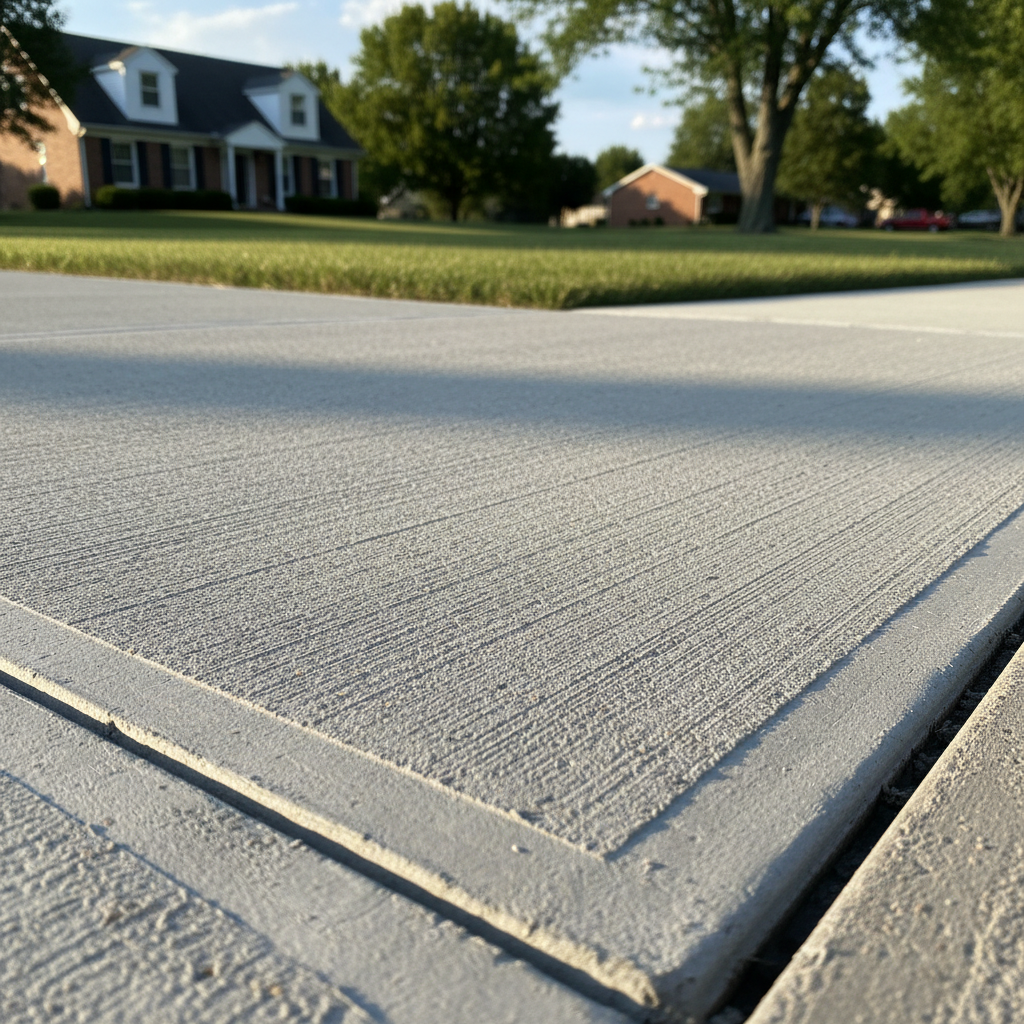
Alright, let's talk sidewalks. I get a lot of calls about concrete sidewalks here in Muncie, and it’s usually the same handful of questions. People want to know what’s going on with their walkways, how to fix them, or if they even need to. So, I figured I’d put together a little FAQ based on what I hear most often. No fluff, just the straight goods from someone who's been pouring and fixing concrete around here for years.
Do I really need to replace my whole sidewalk, or can I just patch it?
This is probably the most common question I get. Look, it depends on what's wrong. If you've got a small crack, like a hairline one, or a tiny chip, sometimes a patch can work. We can fill those in, seal them up, and extend your sidewalk's life for a bit. But if you've got big, wide cracks, sections that are heaving up, or chunks missing, patching is usually just a temporary band-aid. It won't address the underlying issue, which is often a problem with the base or drainage. If the damage is extensive—or if more than, say, 25% of a section is bad—you're better off replacing that section. You'll save money in the long run by not having to patch it again and again, you know?
What causes sidewalks to crack and heave here in Muncie?
Oh man, Muncie's got a few things working against concrete. First off, our freeze-thaw cycles are brutal. Water gets into tiny cracks, freezes, expands, and pushes the concrete apart. Then it thaws, leaving a bigger void for more water. Repeat that a few dozen times a winter, and you've got problems. Tree roots are another huge culprit, especially in older neighborhoods like Minnetrista or Riverside. Those big, mature trees have roots that just love to push up concrete. Poor drainage is also a big one. If water is constantly sitting under your sidewalk, it can erode the soil beneath, causing sections to sink or shift. And sometimes, it's just old age and wear and tear. Concrete isn't immortal, even if it feels like it sometimes.
How long does a new concrete sidewalk usually last?
A well-installed concrete sidewalk, done right with good materials and proper preparation, should easily last you 20 to 30 years, sometimes even more. I've seen some that are pushing 40. The key is that 'well-installed' part. It needs a good, compacted base, the right concrete mix, proper thickness, and control joints cut in the right places. Those control joints are crucial – they give the concrete a place to crack predictably, rather than all over the place. If you skimp on any of those steps, you'll be looking at repairs or replacement a lot sooner.
What's the process for getting a new sidewalk installed?
When you call us at Midway Concrete Co., the first thing we do is come out and take a look. We'll measure, assess the site, and talk about any existing issues like drainage or tree roots. Then we'll give you a clear estimate. Once we get the go-ahead, we'll mark out the area, get any necessary permits (though for most residential sidewalks, you might not need one, but we'll check), and then the real work starts. We'll excavate the old concrete or soil, lay down and compact a good gravel base, set up the forms, pour the concrete, finish it, and cut those control joints. Then it cures. It's a multi-day process, even if the pour itself is quick, because that curing time is essential.
Can I pour a concrete sidewalk myself to save money?
You can, sure. But I wouldn't recommend it for most folks. Concrete work looks easy, but it’s really not. There’s a lot of science behind it – getting the mix right, knowing how to work with it before it sets, proper finishing techniques, cutting joints at the right time. If you mess up the base, it'll crack. If you don't finish it right, it'll spall and look terrible. If you don't cut the joints, it'll crack wherever it wants. You can end up spending more to fix a bad DIY job than you would have just hiring a pro in the first place. For a small, simple pad, maybe. For a whole sidewalk, probably not worth the headache or the risk.
How long do I have to stay off a new concrete sidewalk?
This is important. For walking, you should wait at least 24 to 48 hours, especially if it's warm out. The longer you can wait, the better. For anything heavier, like parking a car on it (if it's a driveway extension or something similar), you really need to wait at least 7 days, and ideally 28 days for it to reach its full strength. Concrete gains most of its strength in the first week, but it continues to cure and harden for a full month. Walking on it too soon can leave marks, and driving on it can cause permanent damage before it's ready.
What about maintenance? How do I keep my sidewalk looking good?
Good question. The best thing you can do is keep it clean. Sweep off dirt and debris regularly. If you get oil or grease spills, clean them up right away before they soak in. In winter, use sand or a concrete-safe de-icer. A lot of the rock salt products out there can actually damage concrete over time, so be careful what you're using. Sealing your concrete every few years can also make a big difference. It helps protect it from water penetration, stains, and those harsh freeze-thaw cycles we get. It's not a magic bullet, but it definitely helps extend its life and keep it looking good.