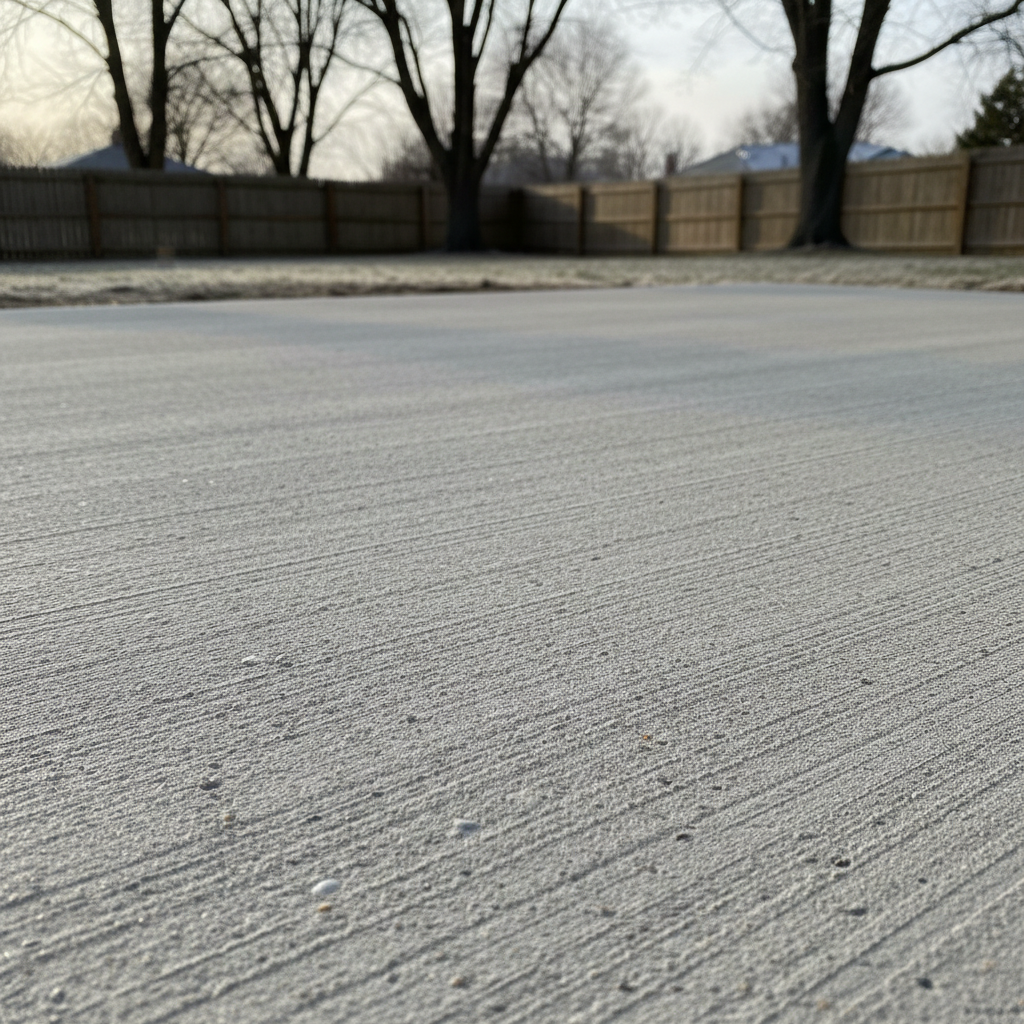
Thinking About Concrete Flatwork? Here's the Deal.
So, you're looking at your backyard or that cracked-up driveway and thinking, 'Maybe I could pour some concrete myself.' It's a common thought, especially when you're trying to save a buck. And hey, for some small projects, you absolutely can. But for others? You're gonna want to call in the cavalry. Let's break down what you need to know before, during, and after any concrete flatwork project around your Muncie home.
Before You Even Think About Mixing
First things first: what are you trying to build? A small, decorative stepping stone? A new patio? A whole driveway? The scale of the project is the biggest factor in deciding if it's a DIY job or not. If it's something small, like a little pad for your grill or a few stepping stones, you can probably handle it. You'll need to figure out your measurements, what kind of concrete mix to buy (bagged concrete from the hardware store is fine for small stuff), and get your tools together. Think shovels, a wheelbarrow, a tamper, and some basic forms.
For anything bigger – say, a patio over 100 square feet, a sidewalk, or definitely a driveway – you're quickly getting into pro territory. Why? Because the prep work is crucial. We're talking about proper excavation, grading for drainage (you don't want water pooling against your foundation, especially with Muncie's spring thaws and heavy rains), and a solid base. Around here, with our clay-heavy soil, proper compaction and a good gravel sub-base aren't just suggestions; they're necessities if you want that concrete to last. Skimp on this, and you'll be looking at cracks and sinking spots in a few years, guaranteed.
You also need to think about permits. For larger projects, especially driveways or anything that impacts drainage, the city of Muncie might require a permit. Don't skip this step; it can save you headaches down the road.
During the Pour: Speed and Skill Matter
Let's say you've decided to go for it on a small project. You've prepped your area, laid down your gravel, and built your forms. Now comes the concrete. This is where things get fast. Concrete doesn't wait for you to figure things out. Once it's mixed, you've got a limited window to get it in place, screeded (leveled), and floated (smoothed). For a small slab, you can mix bags by hand or with a small rental mixer. For anything larger, you're looking at ordering a concrete truck, which means you need a crew ready to go.
Here's what a pro brings to the table:
- Experience with the material: We know how concrete behaves in different temperatures and humidity levels.
- The right tools: Power screeds, bull floats, edgers, groovers – specialized tools that make a huge difference in finish and efficiency.
- A crew: You can't pour a large slab by yourself. It takes multiple people working together quickly.
- Knowledge of finishing techniques: Want a broom finish for traction? A smooth troweled finish? We know how to achieve it.
Trying to DIY a large pour often results in a lumpy, uneven surface, or worse, concrete that sets up before you can finish it. It's a lot of physical labor, and if you're not used to it, you'll be feeling it for days.
After the Pour: Curing and Care
Once the concrete is down and finished, your job isn't over. Proper curing is critical for strength and durability. You need to keep the concrete moist for at least 3-7 days, sometimes longer depending on the mix and weather. This usually means covering it with plastic sheeting, burlap, or using a curing compound. Don't let it dry out too fast, especially in hot, windy weather, or you'll get surface cracks.
For a small DIY project, keeping it covered and occasionally misting it is manageable. For a large driveway, it's something Midway Concrete Co. takes care of, ensuring your investment cures correctly and reaches its maximum strength.
In the end, for anything more than a small, non-structural pad, calling a professional concrete contractor is usually the smart move. You'll get a durable, well-drained, and aesthetically pleasing result that will last for decades, saving you time, back pain, and potential costly repairs down the line. We've seen too many DIY jobs go sideways; trust me, it's worth getting it done right the first time.