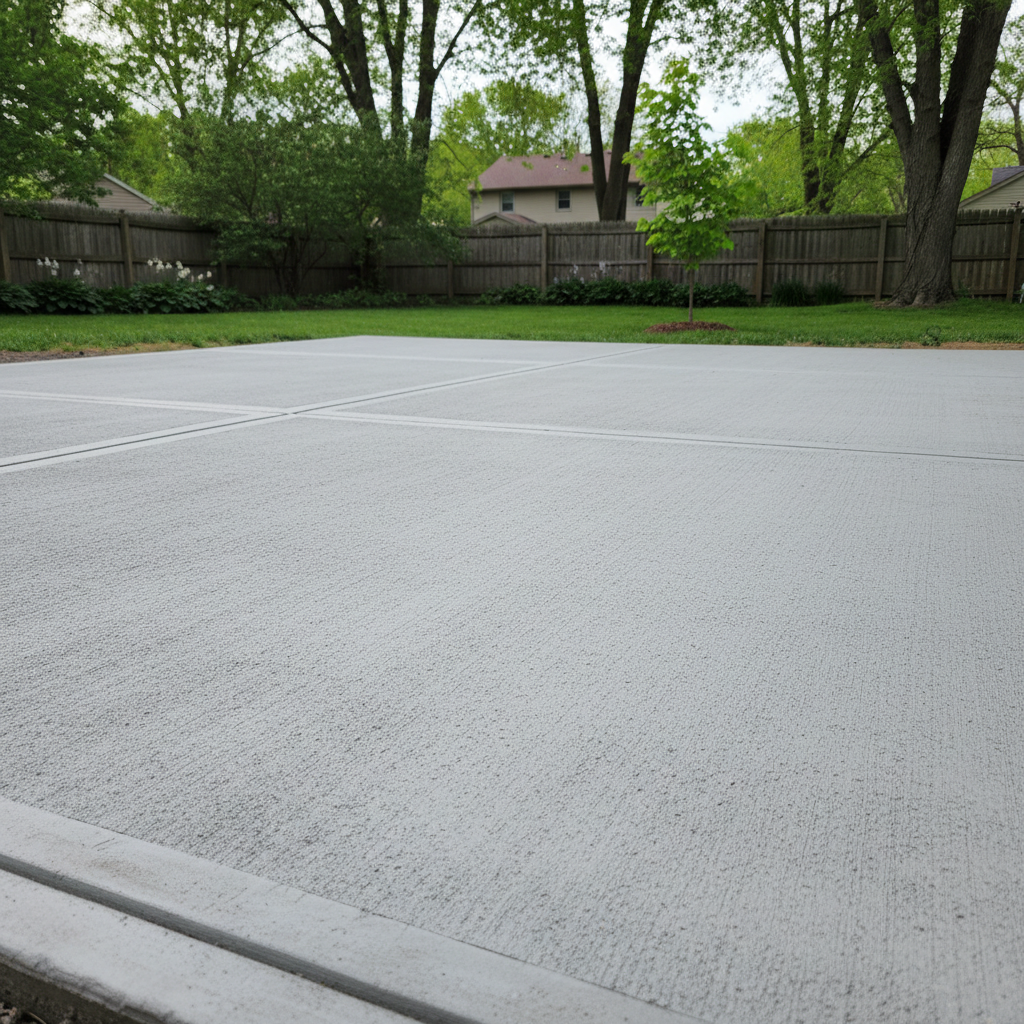
So, you're thinking about some new concrete around your Muncie home, huh? Maybe a fresh patio out back for those summer cookouts, a wider driveway, or just fixing up that cracked sidewalk. Concrete flatwork sounds simple enough, but trust me, there's more to it than just pouring some gray stuff. I've seen plenty of good jobs and plenty of headaches over the years. Let's talk about what you really need to know before, during, and after, and when it's smart to pick up a shovel yourself versus picking up the phone to call someone like us at Midway Concrete Co.
Before You Even Think About Mixing
First things first: planning. This is where a lot of folks go wrong. You can't just dig a hole and hope for the best. You need to decide exactly what you want – size, shape, where it's going. Got a plan? Great. Now, think about permits. For most significant concrete work, especially driveways or anything that changes drainage, you'll likely need a permit from the city or county. Don't skip this; it can cause big headaches down the road.
Next up, the ground itself. This is huge. Muncie soil, especially around areas like the Old West End, can be pretty clay-heavy. That means it holds water, and if it's not prepped right, that water can freeze and thaw, pushing your concrete around. You need a solid, stable base. For smaller projects like a small shed pad, you might be able to handle the excavation and base prep yourself. That means digging out the area, making sure it's level, and then laying down and compacting a good layer of gravel – usually 4 to 6 inches, depending on what you're pouring. You'll need a plate compactor for this, and you can rent those. Don't skimp on compaction; it's the foundation of your foundation.
For bigger stuff – a whole new driveway, a large patio, anything that's going to see heavy use – that's usually when I'd tell you to seriously consider a pro. We've got the heavy equipment to excavate properly, ensure proper drainage, and get that base rock perfectly compacted. It's not just about muscle; it's about knowing the ground and what it needs to support.
During the Pour: This Ain't No Cake Mix
Okay, you've got your forms built (sturdy wood or metal, properly staked and braced), your base is perfect, and maybe you've even laid down some rebar or wire mesh. This is the moment of truth. Small concrete pours, like a little stepping stone path or a small repair, you might be able to mix bags of concrete yourself. Just follow the directions on the bag carefully. Don't add too much water; that's a common mistake that weakens the concrete.
But for anything bigger than, say, a 4x4 foot pad, you're going to need ready-mix concrete delivered. And when that truck shows up, things move fast. You've got a limited window to get that concrete placed, screeded (leveled), floated (smoothed), and finished. This is where experience really counts. Getting the right slump (consistency) from the truck, knowing how to work the concrete without overworking it, and getting a consistent finish across a large area is an art and a science.
If you're doing a small project, you'll need a good straight edge (a 2x4 works), a bull float, and a hand float or trowel. Watch some videos, practice on a small patch if you can. But for anything that's going to be a focal point or take a lot of abuse, like a driveway, I really recommend bringing in the pros. We've got the crew, the tools, and the know-how to get it done right the first time. A bad pour means cracks, uneven surfaces, and a lot of wasted money and effort.
After the Pour: Patience is a Virtue
So, the concrete's down, and it looks great. Now what? Curing. This is probably the most overlooked part of concrete flatwork, and it's absolutely critical for strength and durability. Concrete doesn't just dry; it cures through a chemical reaction. You need to keep it moist for at least 7 days, ideally longer, especially in our Indiana weather. If it dries out too fast, it'll be weaker and more prone to cracking. You can do this by misting it with water regularly, covering it with plastic sheeting, or using a curing compound.
Don't put heavy weight on it too soon. Give it at least a week before walking on it regularly, and a month before driving vehicles on it. Seriously, be patient. It'll pay off in the long run.
Maintenance after that is pretty straightforward. Keep it clean. Seal it every few years, especially if it's exposed to de-icing salts in the winter. Those salts can really take a toll on concrete. If you see small cracks, don't panic immediately; concrete does crack. But if they're wide or uneven, that could indicate a bigger issue with the base.
Look, there are definitely concrete projects you can tackle yourself, especially if you're handy and willing to learn. Small pads, repair patches, maybe a simple walkway. But for anything that's a significant investment or needs to last for decades, like a new driveway or a large, intricate patio, you're usually better off calling a professional. We've got the experience to handle the Muncie clay, the unpredictable weather, and to make sure your concrete flatwork stands the test of time. Don't hesitate to give us a call if you've got questions or need a hand.