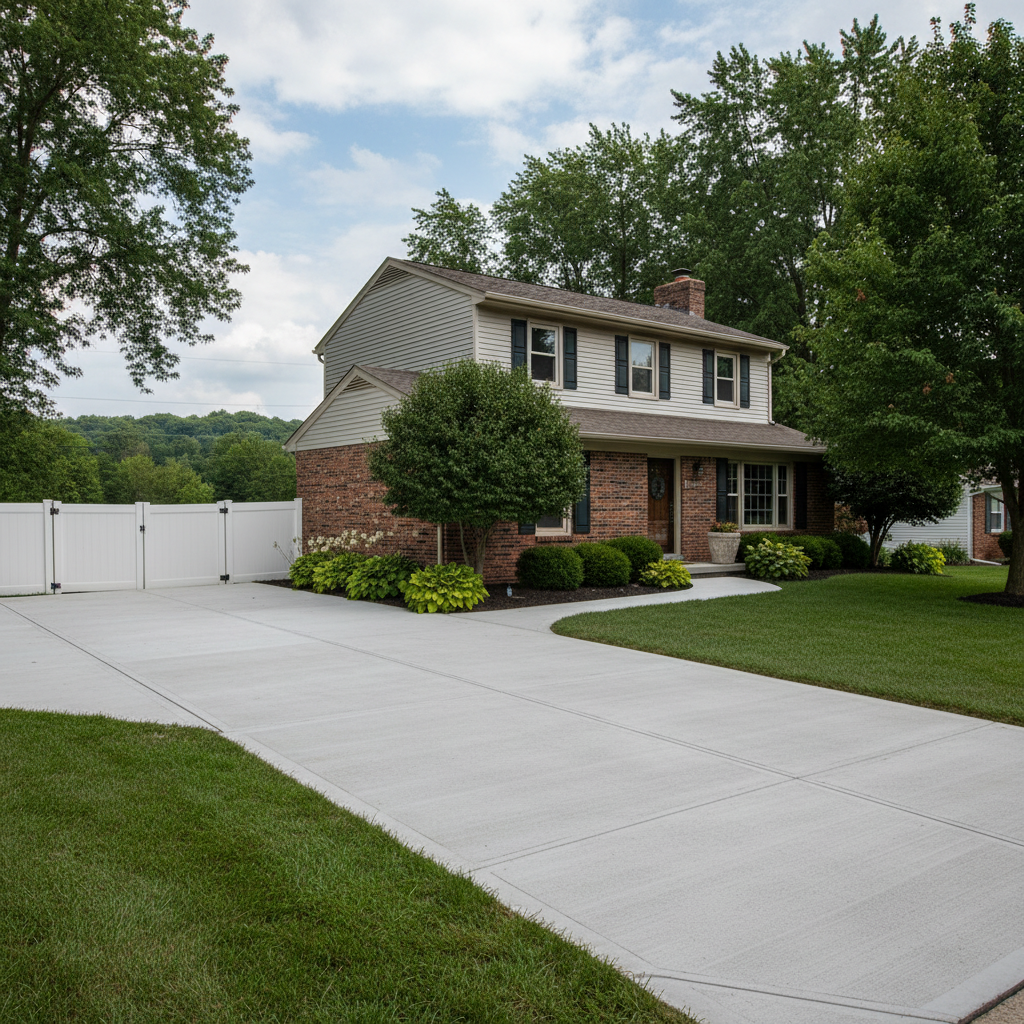
So, you've just put in new concrete, or maybe you're trying to figure out how to best care for what you've already got. Good for you! A concrete driveway, patio, or walkway isn't just some flat surface; it's a real investment in your home. And like any smart investment, it needs a little attention to truly pay off over the long haul. Especially here in Muncie, with our crazy temperature swings and those brutal freeze-thaw cycles, you can't just pour it and forget it. I've seen too many folks neglect their concrete, only to end up with bigger, more expensive problems down the road. Let's chat about how to keep your concrete looking sharp and performing strong for years to come.
Making Your Concrete Last Longer
The biggest thing you can do to stretch your concrete's life starts right after it's poured: curing and sealing. If Midway Concrete Co did your job, you can bet we handled the proper curing. But sealing? That's something you'll need to think about regularly. I usually tell people to seal their concrete every 2-3 years, maybe even more often if it sees a lot of heavy use or gets hit with harsh conditions. Think about a driveway that gets blasted with de-icing salts every winter – that's going to need more frequent care than, say, a backyard patio mostly used for summer barbecues.
A good quality penetrating sealer is truly your concrete's best friend. It helps push away water, oil, and other stains. More importantly, it guards against those brutal freeze-thaw cycles we deal with here in Indiana. When water seeps into concrete, freezes, and then thaws, it expands and contracts. This creates tiny cracks that eventually turn into big headaches. Sealing cuts down on that water absorption, and that's crucial.
Another big one is making sure water drains properly. You really don't want water pooling on or around your concrete. If a downspout is dumping right onto your patio, well, that's just asking for trouble. Redirect it! Good drainage stops erosion under the slab and reduces the amount of standing water that can cause issues.
Simple Maintenance You Can Do Yourself
Keeping your concrete clean is easy, but it makes a huge difference. Sweep regularly to get rid of dirt, leaves, and other debris. This stops organic stuff from breaking down and staining the surface. Plus, it keeps abrasive grit from getting ground into the concrete by foot traffic or vehicles.
For tougher grime, a good power washing once a year can work wonders. Just be careful with the pressure, especially on older or decorative concrete. You definitely don't want to blast away the surface. A medium-pressure wash with a fan tip is usually plenty. If you get oil or grease stains, tackle them fast. Kitty litter or a specialized concrete cleaner can often pull fresh stains out before they really set in.
And about those de-icing salts: try to use them sparingly, or pick alternatives if you can. Calcium chloride or magnesium chloride are generally less damaging to concrete than rock salt (sodium chloride). Even better, shovel early and often. The less ice and snow sitting on your concrete, the less you'll need those chemicals.
Warning Signs You Shouldn't Ignore
Your concrete usually tells you when it's not happy. You just need to know what to look for. Here are some common red flags:
- New Cracks: Tiny hairline cracks are often normal, especially with our Muncie clay soils shifting a bit. But if you spot new cracks popping up, or existing ones getting wider or longer, that signals movement or stress.
- Spalling or Flaking: This is when the concrete's surface starts to peel, flake, or pit. Freeze-thaw damage often causes it, especially if the concrete wasn't properly air-entrained or sealed. It looks rough, and believe me, it can get worse fast.
- Sinking or Uneven Slabs: If one part of your driveway or patio is noticeably lower than another, or if a trip hazard is starting to form, that's a structural issue. It means the ground underneath isn't supporting the concrete evenly.
- Discoloration or Stains That Won't Come Out: While some stains are just cosmetic, persistent discoloration can sometimes point to moisture problems or even chemical reactions happening inside the concrete itself.
Don't ignore these things. A small crack today can turn into a major repair tomorrow if you just leave it.
When to Call a Professional
Look, I'm all for DIY, but some jobs are definitely best left to the pros. You should absolutely call us or another reputable concrete contractor if you see:
- Major Cracks: Anything wider than a credit card, or cracks that go all the way through a slab. These often mean there are structural issues that need a professional assessment.
- Significant Sinking or Heaving: If a slab has dropped more than an inch or two, or if it's heaving up, you're looking at a serious sub-base problem. We can often lift and level these slabs, but it's not a DIY job – trust me.
- Extensive Spalling: If a big area of your concrete surface is flaking away, it might be past a simple patch job. You could need resurfacing or even a whole replacement section.
- Drainage Issues: If you've got water constantly pooling against your foundation because of a concrete slab, that's a big problem. We can often adjust grades or add drainage solutions.
- If You're Just Not Sure: Honestly, if something's worrying you, just give us a call. It's always better to get an expert opinion early than to let a small issue balloon into a huge headache and a bigger bill. We're happy to come out, take a look, and give you an honest assessment. That's what we do at Midway Concrete Co – help our Muncie neighbors keep their properties in top shape.
Taking care of your concrete isn't rocket science, but it does need a little attention. A bit of regular maintenance and knowing when to call for help will make sure your concrete surfaces serve you well for decades.